Wednesday, February 28, 2007

Sample Home Diets

Do You Trust Your Vet When It Comes To Pet Food?


As a veterinarian, I was taught very little about dog or cat food at university. I received less than 8 hours of instruction on Dog or Cat food.
At my University the LARGE food companies sponsored events for us, gave us presentations on pet food, and awarded scholarships.

The “You rub my back and I’ll rub yours” mentality prevailed.
I even recall a professor telling us to “trust” a certain large food company, and look forward to getting Big Perks at Pet Food sponsored conferences.
Retailing Pet Food is a Big Source of income for many veterinarians.
We are given trustworthy statements from the Pet Food Rep, which invariably include “…backed by scientific study and feeding trials”. But common sense is NOT prevailing.


Cats are obligate carnivores - they NEED meat protein as their sole source of nutrition to survive. Yet, if you go to your Veterinarian and ask for the premium quality adult cat food, I’ll bet that the first ingredient is a Carbohydrate - NOT an Animal Protein.
So now that you know that MOST Veterinarians have little knowledge about Pet nutrition, and that they have strong FINANCIAL INCENTIVES to NOT change, can you see how you should Question their Pet Food recommendation?. Homemade Dog Treat Recipes


Making Food At Home:


You can pre-make large batches, freeze it, and then add vitamin/mineral supplements.
I am assuming that the animal protein is cooked - I will be discussing Raw Food later.
The vitamin-mineral supplement should be a good quality, human-type supplement, at the very least. Some of the cheaper human supplements, particularly those with a heavy coating, are not well digested by people and will not be by animals.
I prefer that you use a quality pet designed supplement from you local pet supply store.

There are a variety of brands:

Note on supplements: If you are using human supplements, keep in mind that the average human supplement is designed for a 150-pound adult. A cat should get about 1/6 to 1/10 of a human supplement. A dog dosage can be calculated from the weight of the dog compared to 150 pounds. Do not overdose! Some vitamins and many minerals are toxic at high doses.
Bone meal must be an edible, human grade. Do not use bone meal intended for gardening or plants.


Sample Home Diets:


Dogs:

This will feed a 30lb dog for 1 day.
Beef or Chicken 1/3 lb
Cooked rice or macaroni 2 cups
Mixed vegetables up to 1 cup (it can be pureed)
Flaxseed Oil 1 tablespoon
Calcium 400mg (i.e. Tums, which is calcium carbonate)
Potassium chloride 1/4 teaspoon
Vitamin/Mineral supplement (see note on supplements above)
Lactobacillus 1 probiotic capsule
Mix all ingredients so they are well blended together. This will make just over 2 cups of food, enough for 1 day. Feed 1 cup in the morning and 1 cup in the evening.


Cats:

This will feed a 10 lb cat for 1-2 days.
Feed an adult cat as much as she will eat in 20-30 minutes. Refrigerate leftovers promptly. Feed adult cats twice a day. Recipe provides approximately 3 servings.
Protein 1/2 lb boneless chicken breast or thigh (minced) or 6
oz ground turkey, or minced turkey (dark meat), or 1/2
lb lean beef (minced) or 1/2 lb of fish
Flaxseed oil 2 teaspoons
Calcium 300mg (i.e. Tums, which is calcium carbonate -
If using canned fish with bones, decrease calcium to
1/4 regular amount)
Puréed vegetables 1/2 tablespoon (some cats prefer vegetable baby
food)
Potassium chloride 1/4 teaspoon
Vitamin/Mineral supplement 1 cat-size dose of multiple vitamin-mineral
supplement (human quality) or cat vitamin
Lactobacillus 1/4 of capsule
Taurine 80 mg (about 1/4 one 250 mg taurine capsule or
tablet, powdered - not needed if using cat vitamin)
Cook in a stew pot or crock pot. Then place feeding portions in freezer bags or containers and freeze. Defrost portion in refrigerator overnight.

Home Allergy Diet for a 50 lb Dog:

Boiled white fish or canned tuna 1 cup
Boiled potatoes or Cooked rice 4 cups
Calcium carbonate 400mg (Tums)
Flax Oil 1 tablespoon
Potassium chloride (light salt) 1 teaspoon
One-a-day multivitamin 1 tablet
Mix all ingredients together and divide into equal portions, feeding 2 1/2 cups in the morning and 2 1/2 cups in the evening.


Feline Home Allergy Diet for a 10 lb Cat:

Canned Turkey 1 cup
Cooked White Rice 1 cup
Cod Liver Oil 1 tablespoon
Calcium Carbonate or Tums 1/2 teaspoon
Potassium Chloride (light salt) 1/4 teaspoon
One-a-day Vitamin 1/2 tablet
Taurine 500mg
Mix all ingredients so they are well blended together. This will make 2 cups of food, enough for 2 days. Feed 1/2 cup in the morning and 1/2 cup in the evening. Whatever food you choose, it must be fed for 12 weeks. If after 12 weeks your pet it still scratching, then she probably doesn’t have a food allergy.
Homemade Cancer Diet for Dogs (and Cats)
Lean ground beef, fat drained 454 grams (1 pound)
Rice, cooked 227 grams (1 1/3 cups)
Liver, beef 138 grams (1/3 pound)
Vegetable oil 63 grams (4 1/2 tbsp)
Fish oil 9 grams (9 1000 mg fish oil caps)
Calcium carbonate 3.3 grams (5 Tums with calcium)
Salt substitute (potassium chloride) 1.9 grams (1/3 tsp)
Adult multivitamin 1 tablet

Cook the rice with salt substitute added to the water. Cook the ground beef and drain the fat. Cook the liver and dice or finely chop into small pieces. Pulverize the calcium carbonate and vitamin/mineral tablets. Mix the vegetable oil, fish oil (break open capsules) and supplements with the rice and then add the cooked ground beef and liver. Mix well, cover and refrigerate.

Feed approximately one-quarter of this mixture each day to a 10 pound dog or cat. Palatability will be increased if the daily portion is heated to approximately body temperature (Caution: when using microwave, avoid “hot spots,” which can burn the mouth).
For cats the same recipe can be used but add Taurine, a supplement available at health food stores. The Dose is 500mg per day.

Click Here For Over 1000 Natural Solutions To Heal Your Pet At Home! Natural remedies - So You Can Treat Your Pet At Home Without A Veterinarian!


Natural Pet Supplies For Dogs And Cats


Only Natural Pet Store is a leading retailer of natural pet supplies for dogs and cats. Today’s consumers are passionate about their pets and concerned about their health, and the trend toward natural products for their pets is exploding!

We offer thousands of products from all the leading manufacturers of natural pet care products, including vitamins, supplements, medicine, food, treats, chews, bones, flea control products, grooming supplies, litter, cleaning supplies, and much more. We offer many hard to find products like organic food and treats, herbal remedies, homeopathy, raw food, flower essences, and natural flea control products.

Natural Flea Remedy for Dogs and Cats


Obinna Heche: Los Angeles- California

To find excellent information about Dog Training, Dog Behaviour, Dog Obedience Training, Dog Food, Dog Health, Grooming and Dog Care. Everything that concerns Dog Owners and their Dogs.. Visit.. http://myspace.com/biggso

Monday, February 26, 2007

How To Stop Your Dog Pulling On The Leash.

Most of the people around us must have faced such a problem. You may have, many times faced such a hurdle if you are dog owner. Most of us take our dogs out for a walk, a casual stroll or to make it attend 'the nature's call'. It is not a problem if you are moving with your dog on the other end of the leash. However, you have to endure a lot of struggle once you stop moving around just to indulge in a short conversation with a friend who was passing by. This would be frustrating at times. Training you dog to stop pulling on a leash is a tedious and frustrating process, especially when your dog has a considerable weight on him.
Learn How To Quickly And Easily Train Your Dog Or Puppy.


To start with, you must make sure that you are using the right equipment. Avoid using retractable leads as they are of no use on larger dogs and teach nothing on smaller dogs. They are a sheer waste of money and do not produce any results.

A good long rope would be apt for the training and will play the trick. It works well for recall training. Never go for a body harnessing technique. It is a waste of time and energy of yours, part as far as bigger dogs are concerned. Remember that body harnesses were never designed as a leash training tool; they were designed to maximize a dog's pulling power when hauling a load behind him. They work best to remove all obstruction to the neck and distribute the resisting force evenly to the dog's shoulder.

The question that arises now is, what would be ideal to use as equipment for this training exercise? The answer is 'a standard nylon buckle collar and a six- foot leash'. We would advise you to adopt the "tree" method for leash training. Becoming an immobile object until your dog ceases to balk at the leash and allows a slack to develop would be ideal. The training session contains a lot of steps that you must follow carefully.


To start off with a session, you must stand in place and allow the dog to sniff around, let it decide to go in one direction. As soon as it starts moving towards the direction, become an immovable object and allow the dog to pull. Don't correct this pulling, or enforce it. Let your dog pull you in that direction.

Once a 'slack' appears in the leash, move in the direction your dog wants to go (enforcing the slackness of the leash) and praise loudly. Stop dead as soon as the dog starts to pull on the leash again. Repeat this process daily, becoming a tree as soon as your dog starts to pull. Be patient and bear a lot of perseverance during the whole process. Training your dog to keep slack in a leash is the best option indeed. http://sitstayfetch.eoltt.com


Brtish Airways Holidays: Hotels- Cars- Sightseeing


Baholidays.com offers hotels, cars, sightseeing and transfer options in over 350 destinations around the globe.
All our hotel properties are hand-picked with great locations and specially negotiated rates..

Hotels, Car Hire, Sightseeing and Transfers


Obinna Heche: Los Angeles- California

To find excellent information about Dog Training, Dog Behaviour, Dog Obedience Training, Dog Food, Dog Health, Grooming and Dog Care. Free Recipes and Articles about everything that concerns Dog Owners and their Dogs.. Visit.. http://myspace.com/biggso

Saturday, February 24, 2007

How To Avoid Getting Overcharged By Your Vet. Part 2

4. Vaccines - NOT Every Year:

This tip alone will save you money, and help your pet live longer:
Your pet does NOT need to be vaccinated yearly. Vaccines have a longer duration of immunity than 1 year. Have your puppy or kitten vaccinated - this is the time when they are most at risk. Get them boosters at 1 year. After that, give them vaccines only every 3 years - and ONLY vaccinate for what they need in your area.

STOP all vaccines between the ages of 10-12 years:

In the area where I live, we are now only vaccinating for the diseases that we see. NOT for the white elephants – the diseases that have a 1 in a million chance of ever showing up.
ASK your Vet about their vaccine protocols. If they are not with the “vaccinating less often program”, consider switching Vets. It will be healthier for your pet and your pocket book.

5. Be Preventative:

Do not wait until your bundle of fur's health gets very serious to visit your vet.
You should be performing weekly at home exams on your pet.
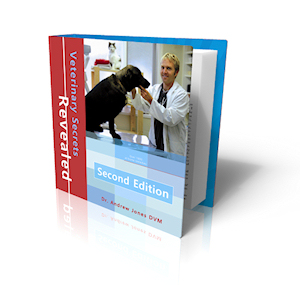
You can use my free e-book: The At Home Pet Health Exam, in which I teach you how to examine, diagnose and treat your pet at home. It is available by going to my site at.. Veterinary Secrets Revealed and signing up for my complimentary 7-day E-course and newsletter. I still advise utilizing your veterinarian.

Getting an annual checkup is probably a good idea, especially if you have an older pet:

Have your Vet confirm a diagnosis, but then ASK about all the available options for solving your pet’s health problem. You should have your pet spayed or neutered. Spayed females have a lower cancer risk and neutered males are not as aggressive and have fewer prostate problems. Costs for cats and dogs range from $80 to $300. You may be able to get the surgery for less if you check out your local Society for the Prevention of Cruelty to Animals, at www.aspca.org.

6. What is going in your Pet’s Mouth?

After surgical procedures, food was the second most expensive item for pet owners.
Individually, Americans spent about $250 a year on food for their pets.
That is almost a $15 billion industry. I firmly believe that a BIG key to avoid the excess Veterinary expenses is by feeding your pet the BEST quality food you can.
Diet is one of the BIG KEYS to a healthy pet.

In days gone by, dogs and cats survived on prey that they hunted. Cats seldom drank water as most moisture came from the dead bird or mouse.
Dogs chewed on bones and in the process kept their teeth clean. Pets have moved from the wilderness to the living room. They now wait (or demand) that we humans feed them. They feast on ready to eat packaged foods, and in some cases, this may be harming your pet.
Some symptoms of less than natural diets include bad breath, itchy skin, dull dry coats, and intestinal gas.

A common disease that can be attributed to diet is diabetes in cats.
Commercial pet food does not always provide all of the nutrients that some dogs and cats need to be healthy at different times in their lives.
This food also contains things that your pet does not need, such as chemical additives and preservatives.

An example of a preservative that is commonly found is propylene glycol. It is used to keep moist pet foods fresh. It has been linked to anemia and bloat.
One of the single most important things you can do for your pet’s health is to feed a more natural diet. I have seen natural diets improve allergies, arthritis, diabetes, chronic vomiting and diarrhea.

If you are to use a commercial food, here are some tips to check for quality:
1. Ingredients are listed in descending order. The first ingredient should be an animal-based protein.
2. The entire protein should be listed first. Avoid foods that list by-products. Avoid those that list the food fractions – i.e. wheat middlings or corn gluten instead of the whole grain. These ingredients are leftovers from the human food processing and do not provide the best nutrition.

3. Look for natural preservatives: These include Vitamin C (ascorbic acid), Vitamin E and mixed Tocopherols. Avoid Ethoxyquin, BHA, BHT and propylene glycol.
4. Avoid foods with artificial flavor enhancers, such as phosphoric acid.
5. Avoid artificial colors. These include azo, azo dyes, and sodium nitrite.
6. Essential fatty acids must be added – this is of utmost importance for allergies, arthritis and cancer prevention.

7. It should also contain additional antioxidants, such as Vitamin E, Vitamin C and flavanoids. Some of the Commercial Pet Foods that I recommend are:
All of Those from Natura Pet Products: Innova, California Natural, Karma, HealthWise
Wysong, Solid Gold, Nutro Ultra Holistic Nutrition, Flint River Ranch
Azmira Holistic Animal Care LifeStyle. I am of the opinion that you should consider adding in Raw Food as a portion of your pet’s diet.

I also believe that the healthiest food is that which you make at home - i.e. homemade diets. I give you several examples in my book, Veterinary Secrets Revealed at.. Veterinary Secrets Revealed

7. Pet Insurance – A Scam?

The entire insurance industry gives me the ‘heebie jeebies’- and Pet Insurance companies are NO different. Decide first if you REALLY NEED Pet Insurance.
Unless you cannot resist a breed with chronic problems, pet insurance will probably cost you more money than it will save you. As with human health insurance, you'll pay deductibles, co-pays, and premiums, and you may bump up against lifetime payment ceilings if you own a chronically ill pet. In addition, you might find some needed treatments are excluded from coverage.

Some policies also limit the amount they will pay per incident and may make you pay more as your pet ages. For example, with PetCare's QuickCare Gold policy for dogs, you could pay $36 monthly premiums for coverage for a 3-month-old bearded collie. If that pooch needs $3,000 pacemaker surgery next year, you'll have to pay a $50 deductible, after which the plan pays 100 percent (up to a limit of $3,000) of your costs.

In this case, this is not a bad deal, because you will have paid just more than $430 in premiums. However, if the surgery occurs after that dog turns 8 years old, the plan will only pay 80 percent of your costs and you'll be out about $3,500 in premiums. If you want to set aside money for future medical bills, you might do better by putting the amount you would pay in premiums into a savings account.

Veterinarians like Pet Insurance in that the clients can actually afford to do what is recommended. But, if you and your pet end up at a “corporate” practice, BIG DOLLAR signs might start flashing as soon as they see your pet is insured.
All of a sudden they could be advising your pet has a host of diagnostic tests, which the insurance company may cover now - but you’ll likely see your premiums rise the next year.

8. DON’T Buy Your Medication From Your Vet:

Medication is expensive - and it’s marked up a lot at your vet. The markups range from 50% to 125% PLUS the prescription Fee. There are many ways to save money on pet medications. First, ask your vet about a drug's cost and find out if it is available through pharmacies.
Your local drug store may offer it at a much cheaper price. Also, ask your vet about lower-priced generic medications that would be appropriate.

In addition to your local pharmacy, check veterinary-medication prices at DrsFosterSmith.com, 1800PetMeds.com, and PetCareRx.com. You have the right to ask your veterinarian for prescriptions that you can fill elsewhere, as well as medical records for your pet, which can be a big help if you decide to consult another vet for a second opinion.
1-800-PetMeds

9. The Referral Expense:

If your pet becomes seriously ill, you may need a specialist. Ask your vet to recommend at least two specialists so you can compare treatment quotes and options. Alternatively, contact the nearest veterinary medical school teaching hospital for a specialist or a referral to one in your area. An initial consultation will likely cost $75 to $100. Get an estimate of all costs including surgery, treatments, and any lifelong medications that will be required. You'll also want to know about the prognosis for survival and the pet's expected quality of life.

Approach your specialist in much the same way you would approach your local veterinarian.
ASK a lot of Questions. ASK why this Specific Diagnostic test is needed.
ASK so what would happen if you get “X” diagnosis. How does this test change the treatment?
Specialists have expensive practices to run, they pay themselves more, so they charge A LOT. Make sure that you are as informed as possible about everything that is happening to your pet.

10. Become an Empowered Pet Owner:

The BIGGEST Key to avoid getting taken advantage of by any Veterinarian is by being an involved and empowered pet owner. Take Charge of Your pet’s health care.
You know your pet better that anyone else. How well do you think a Veterinarian can get to know your pet with a 15 minute visit once a year? In my newsletter, Veterinary Secrets, the one big thing that I talk about over and over again is how you as a concerned pet owner can begin caring for your pet at home today!

You can learn about how to examine, diagnose and heal your pet with my book at Veterinary Secrets Revealed You can begin to offer treatment options such as herbs, Homeopathics, Acupressure and Massage, that most Veterinarians won’t even consider. You can begin to practice preventive health care with your pet.

Let’s use allergies as an example:

Many of you have allergic pets.
Your vet has likely prescribed a steroid. They work, the stop the itching fast, BUT they have serious side effects and the itching usually comes back. After utilizing my course, you will know the specifics of first eliminating external parasites as a cause.
You will then be able to perform a proper food elimination trial.

You will begin to add in supplements to decrease the intensity of the itch.
You may try a Chinese Herbal combination that can eliminate the itch WITHOUT steroids.
This is ONLY one small example - but do you see how you can take charge of your pet’s health care and have a happier healthier pet? You can do it today. I hoped you enjoyed my special report - I enjoyed writing it!
If you haven’t yet checked out my book, you can go to.. Veterinary Secrets Revealed and read about all that it can do to improve your dog or cat’s health.

It's Your Pet - Heal Them At Home!

Obinna Heche: Los Angeles- California

To find excellent information about Dog Training, Dog Behaviour, Dog Obedience Training, Dog Food, Dog Health, Pet Sitting, Grooming and Dog Care. Everything that concerns Dog Owners and their Dogs.. Visit.. http://myspace.com/biggso

Friday, February 23, 2007

How To Avoid Getting Overcharged By Your Vet.. Part 1

Veterinary Care is expensive. I should know, for I am Veterinarian who owns a Veterinary Hospital. In fact, Veterinary Medicine has changed dramatically in the last 30 years… gone are the days of James Harriot when Veterinarians treated every type of animal, and regularly made house calls. This is the 21st Century, where a dog may be man's best friend, but that pet has a price tag. Vet visits and surgery cost dog owners almost $800 and cat owners $500 last year, according to the American Pet Products Manufacturers Association.

If your pet becomes seriously ill, you can easily spend thousands. For example, each year about 400 pets, mostly dogs, undergo pacemaker surgery costing $3,000. Cats with renal failure, a common ailment, can now get an $8,000 to $10,000 kidney transplant, followed by $600-a-year regimens of immunosuppressive drugs. We can do wonderful advanced life saving procedures…but folks, it ain’t cheap.

Costly Practices:

The costs of operating a veterinary practice are huge.
Veterinary Salaries have risen, and newer Veterinarians are demanding higher starting salaries before they even walk in the door. A new graduate will start at 60,000 dollars a year. Higher end corporate practices will pay even more. Those practice owners earn in excess of 100,000 dollars a year.

Veterinary Clinics have extremely high overhead costs. You need a lot of specialized equipment to perform exams, X-rays, Ultrasound and surgery… monitoring equipment, anesthetic equipment, kennels and cages, ventilation…the list is big.
You need a high number of staff to give quality patient care. Veterinary support staff members are now demanding higher salaries… gone are the days when you could pay a receptionist 8 dollars an hour.

No New Pets:

Most of you reading this live in or near a city. In fact, that is where most Veterinary practices are located. The problem with that is that most cities have MORE veterinarians than they NEED. The Pet Population is increasing, but it’s not keeping pace with the number of Veterinary practices. This means that for a Veterinary practice to grow, it cannot rely on just increasing the number of patients, because there are not enough patients to go around for all the existing practices.

SO what’s a Practice owner to do? Charge more per client. Do MORE things with the existing clients. It is called the UP-SELL and I know that you have all experienced it. Go to Macdonald’s, and after you place your order, what to they ask? Would you like fries with that?

The UP-SELL.

Dr Andrew Jones’ Top 10 Tips on Avoiding “Excess Charges” at the Vet
Now that you have the background, here are my Top 10 Tips on how to Avoid Getting Charged TOO MUCH At The Vet…

1. Price Shop:

Prices at animal hospitals can vary widely. In my small town of Nelson, I charge the least of all the practices, but many clients do not know that. Make sure you get recommendations from other pet owners first. There is a misconception that the higher priced practices give a better quality of care - but this is NOT True.

To ensure that you are saving money, plus getting quality care for your pet, you have to ask some specific questions. Does the practice have an animal health technician? They should. Does the practice have up-to-date anesthetic and monitoring equipment?

A must have:

Does the practice have all pets monitored after anesthesia until they are fully awake?
This will give you an idea about staff level - you need adequate staff to give the quality patient care that your pet deserves. However, having up to date equipment and well-trained staff still does not mean that you have to pay through the roof.

Ask about the common procedures, like vaccines, checkups, neutering and spaying.
Plan on going to at least three vets before you decide on one. Make a mental note of just how clean the environment is when you look around. In addition, do not forget to ask for discounts from your vet. If clients ASK, they will often get a discount. Some vets offer multiple pet discounts as well as discounts for seniors.


2. Beware The Up-sell.

Now that you have some background, such as escalating veterinary costs, No New Pets, and that the ONLY way to increase profits is by doing MORE with the existing clients... when your pet is being examined by your vet, and they advise having a dental cleaning,
ASK and QUESTION WHY!

Just how bad are the teeth – is the degree of dental disease really that significant? One of the major veterinary associations is advising that ANY pet with Grade 1 Gingivitis (mild gum inflammation) have a dental scale and polish. This procedure is at least 300 dollars.
It has risks - your pet would need to be under general anesthetic.
It has high profit margins - the Animal Health Technician or Assistant usually does all the work.

However, a pet with mild gum disease does NOT need this done. You can begin preventive care at home. You could begin to brush your pet’s teeth. You could feed a diet designed to break off some of the plaque and tartar.
This is only one example – although it is the BIGGEST up-sell in Veterinary Medicine today.
Question any recommendation!
Ask if it is absolutely necessary.
Ask about alternate - less costly and sometimes safer - options.

3. Hospitalization Fees:

Your Vet will make A LOT more money if he (or she) can keep your pet in the veterinary hospital. They can charge a fee for the day of hospitalization, plus a fee for re-examining your pet in the morning. Ask to have the Procedure performed while you are there.
Let’s use X-Rays as an example. You and your Vet suspect an arthritic knee, but you want to confirm with X-Rays.

Get the practice to schedule this while you are there and waiting - it doesn’t take long to perform X-Rays. They will likely comply if you only ASK.
And, by being a little bit of a ‘pain in the butt’, you will get better service at a lower price. Your pet will have to spend less time away from you, and you will save money.
Now, doesn’t that sound good to you?

If you haven’t yet checked out my book, you can go to veterinary Secrets Revealed and read about all that it can do to improve your dog or cat’s health.
It's Your Pet - Heal Them At Home!

This article was made possible courtesy of Dr Andrew Jones..


3 Steps To Health Insurance.


We are the nation's largest health insurance agent and we've established relationships with over 150 major insurance carriers and feature more than 5,000 health insurance plans. We are the ONLY site that allows a consumer to view quotes, compare plans side-by-side and apply for health insurance - all online with our eSign technology - greatly reducing the time to wait for a response from a carrier..

Compare free quotes for health insurance online!


Obinna Heche: Los Angeles- California

To find excellent information about Dog Training, Dog Behaviour, Dog Obedience Training, Dog Food, Dog Health, Grooming and Dog Care. Free Recipes and Articles about everything that concerns Dog Owners and their Dogs.. Visit.. http://myspace.com/biggso

Wednesday, February 21, 2007

How To Housebreak A Puppy

Bringing home a new puppy, is a very exciting and very challenging time for most folks and families. The average breeder has weaned and begun to let puppies leave for their new homes at about 8 weeks of age. This is very much like tending a baby, as dogs this young not only have very small bladders; they are for the most part unable to have much control over bladder and bowel functions. They require much care, and almost constant supervision at this age. Many folks do not understand how immature a puppy is at this age, and assume when house breaking problems arise, the puppy is stupid, or difficult to train. http://puppy-dog.eoltt.com

During the first weeks with the mother, she teaches her pups that the "bedroom" is off limits, and shows them the appropriate place for elimination. One of the quickest and easiest ways to begin housetraining is to take advantage of these early lessons, and the pup’s instinct for cleanliness, and keep him in a crate when you are not able to supervise. These come in all different shapes and sizes, and should be big enough for him when he is grown. The full grown dog should be able to stand, and turn around. Although many come with a divider panel, to use for the young pup, if yours doesn't you can use plastic to divide his crate. The theory on this is if he has "too much" room, he will assume on his own, that half is for sleeping, and the other half is for elimination. So make sure the crate is small enough inside, that he can't make that assumption.

How much and how often?

A puppy between the ages of 8 weeks until about 4 months, has very little self control. They will be having about 4 bowel movements a day, and will need to urinate approximately every 45 minutes, also after napping, playing, and eating. During this period, housetraining is more of avoiding accidents, by constant supervision, and no puppy under the age of 4 months should be scolded for accidents. It would be like expecting an 8 month old baby to use the toilet, it is completely unrealistic. So, take your puppy to the designated "area" outside, every 45 minutes, and each time they are successful praise and you can also reward with a dog treat.

If you decide to use a reward system, break dog or puppy biscuits into very small pieces, so that you are not over feeding, or jeopardizing her weight. This is the hardest, and the most time consuming part of owning an inside pet. I have on an average, 4 -7 dogs living in my home at any given moment, and most of them came here as young puppies around 8 weeks of age. I rarely have any accidents, not because my dogs are smarter, or I have some magic trick I use, it's because this is the ONLY way to train, you MUST take her out about 15 times during the day, and then say about 10 pm, then around 2am, and then again when she wakes somewhere between 5-7am.

At around 4 months of age, your dog should begin to understand what you are asking. I begin to taper off about this age. Most puppies if they are taken outside late enough can go through the night, meaning last out at 10pm, sleep till around 5 or 6 am. I am now taking them out about every hour and a half, after they wake from a nap, after eating, and after any play or training session. If my dog has an accident, before the age of 4 months, I do not react, I ignore the fact and clean it up.

Once the puppy is 4 months, if I catch them in the "act" I clap my hands loudly run and grab them and head outside immediately. If they are able to finish outside they are praised Rubbing his face in it, smacking with newspaper or hand, any type of physical punishment does not work, in fact, I have worked with many clients who use this approach and it only backfires, the puppy associates the punishment with the act of elimination, not the WHERE of it.

At around 6 -8 months of age, your dog should begin to understand, that there are specific places for elimination. You should begin to observe your dog attempting to notify you when they need to go outside. Sniffing around, circling, looking behind, crying, barking, whining, scratching at the door, these are all clues that he needs to relieve himself.

All animals are going to make mistakes, if you have been consistent, and your dog has reached a point where HE is consistent, ignore the occasional accident; most times this is caused by our busy schedule, and not taking note of his need. Never, ever punish an animal that is sick. Just like us, they have digestive upsets that cause sometimes a temporary loss of control. http://pet-services.eoltt.com

So good luck and congratulations on your new friend. Remember to keep your expectations realistic. If you have problems, and you have followed this guide, make sure to consult a vet first to rule out any physical problems or disease. I am available for consultations, and would be happy to work with you and your pet until we achieve the desired goal. And although it can be done, it is much more difficult to re-train an who is consistently having accidents, than to take the time and patience to do it correctly from the beginning.


So.... Confine the puppy when he can't be supervised Take him out at least every 45 minutes, after naps, after play, and after meals Don't scold or punish for accidents Watch for his "signals" and respond quickly if he needs to go Take advantage of his mothers first teachings, and his den instinct, and crate him Be willing to get up every night those first several months Reward him with praise or bits of puppy biscuits when he is successful.


Online Pet Med Store.


Petscriptions.com is a premier online pet med store. We offer thousands of top rated products and services that are sure to pleaseour customers. Petscriptions offers thousands of prescription and non-prescription pet meds. Visit us tod Petscriptions.com, a name you can trust.

Discount prices on pet meds!


Obinna Heche: Los Angeles- California

To find excellent information about Dog Training, Dog Behaviour, Dog Obedience Training, Dog Food, Dog Health, Grooming and Dog Care. Free Recipes and Articles about everything that concerns Dog Owners and their Dogs.. Visit.. http://myspace.com/biggso

Sunday, February 18, 2007

Advice About Dogs Chewing Furniture.

Dogs can chew out of boredom, lack of exercise, to relieve stress, when teething, or just because it feels good. If your dog has begun to chew furniture, this presents a problem as it is costly to repair the items, plus it is unhealthy for the dog. Chewing inedible objects or Pica can also be the sign of a nutritional deficiency, so carefully reading the label of the dog food you are using and consulting with a vet may help the situation.

Understanding why the dog is chewing is important. If your vet has indicated it is not a nutritional issue, the remaining choices are lack of exercise, stress or separation anxiety, or habit.

Lack of exercise:

Exercise the dog prior to leaving it alone. While this seems obvious, it does take more planning and time. If you have to be away from the home for long periods could the dog possibly be left outside in a fenced yard or dog run, or could a neighbour or friend come over and walk the dog or let it out in the yard for a run. Sometimes a companion pet will help this problem, but it is not always a practical solution based on the breed of dog or the size of the environment.


Stress or separation anxiety:

If your dog chews due to this condition try starting out leaving for very short periods of time, and then immediately returning to get your dog used to being by alone at times. It is important to be aware of the reasons for your dogs anxiety chewing. Give the dog a chew toy before you step out of the house or room. Praise your dog for not chewing furniture, and leave lots of chew toys for the dog. Praise and reward the dog for chewing on the right thing. Gradually increase the amount of time you are away. Play with the dog with the chew toy, as this will be an object that will have your scent on it, and it will help with the anxiety.

Crate training may also provide some comfort to dogs that exhibit separation anxiety and stress. The area around the crate is seen like the dogs den, and often making this area very comfortable for the dog will help it understand that you will be back, and that they are safe here.

Separation anxiety training guides:


Habit or it just tastes good
Again, provide appropriate chew items and remove any other items that are leather or otherwise "tasty" for the dog. If the items can't be removed spray with a commercial no-chew spray to make them smell and taste bad. These sprays cannot be detected by the human nose, but are repelling for dogs. Reward your dog for chewing on the toys that were left and leaving the furniture alone.

If your dog tends to chew on fabric items or pillows, avoid providing chew toys that are plush or fabric, as this may inadvertently give them the wrong message. Likewise avoid leather chew items if the dog chews leather items. Never allow a dog or puppy to chew on old shoes or clothing items, as they can't distinguish between the old sneakers and the Gucci loafers.


Find Discounted Homes And Auto Information


Bargain Network is the nation's premier bargain search service, offering discounted home and auto information. We have millions of homes listings, including foreclosures, hud homes and other hidden bargains. In fact, you can find homes for as little as $10,000! Our Motors division offers valuable discounted auto information online.

Click here for Bargain.com!


Obinna Heche: Los Angeles- California

To find excellent information about Dog Training, Dog Behaviour, Dog Obedience Training, Dog Food, Dog Health, Grooming and Dog Care. Everything that concerns Dog Owners and their Dogs.. Visit.. http://myspace.com/biggso

Saturday, February 17, 2007

How To Stop Your Dog From Bolting Out The Front Door

Keeping a pet dog at home may be a great source of joy, entertainment and companionship. However, it is not an easy task. There are many problems you need to face and tackle. You are likely to face problems like dog aggressiveness, digging, biting, jumping, chewing etc. Bolting out the front door is also one of these major problems you have to face quite often. It is said that dogs that bolt, are often rewarded with unnaturally short life spans. Before you get in to any sort of anxiety or stress, we would like to tell that this problem is fairly easy to solve, as long as you understands that the key to the solution is to be persistent and consistent in pursuing the goal of training your dog properly.
Learn How To Quickly And Easily Train Your Dog Or Puppy.

You must practice certain obedience classes on your dog to make it more disciplined and well behaved. These classes will provide the tool you require to get your dog under control. Once your dog is brought under control, life with it would be quite easy and pleasant. These obedience classes include many command and actions that you can use towards the goal. For instance, there is a command "stay". This single and simple command can be used towards dozens of uses in daily living with your dog, keeping your dog from bolting being one of them.

Your Dog bolting is a very natural, but destructive habit. Dogs that bolt out the front door usually try to out maneuver their families at other doors as well, there by endangering their safety. Hence, for safety's sake, you must start the training with an interior doorway where your dog's life won't be at risk if it manages to slip past you.

You must start off this process carefully. You must be at the door and before opening it, your dog should be taken away by the collar and moved back a step from the doorway. Now, you are supposed to look in to you dog's eye and tell her to "stay" in a deep and commanding voice. Remember that your dog will be right there in front, crowding you away from the door knob, as soon as he/she goes to the door to open it. You must keep your hands at on the side with the palm facing your dog. You are now supposed spread his/her fingers wide and sweep your hand towards your dogs' face, stopping just a fraction of an inch from its' nose as you says "stay".

Remember that the command "stay" has to be put forward in an appropriate manner. This command is not meant to threaten or hit your dog; it only creates an imaginary barrier for it a virtual stop sign. Your hand should not come down at her from above, but directly at her face front on.

Now its time to open the door just a bit, and if your dog tries to move towards it, the door must be shut. Now your dog must be grabbed by her collar, & pushed back. You are now supposed to correct her with a firm "No!" This must be followed with the "stay" command and the hand motion once again.

This exercise must be repeated several times with your dog at least stop to think for a moment before changing toward day light. Practice praising it when it actually does stay.

It is necessary to train other family members too to practice the "stay" command. This will soon make you to get rid of the problem of your dog bolting out the front door.


Perfume America: Brand Name Fragrances


PerfumesAmerica.com carries over 2000 of the hottest brand name fragrances. Discount prices, Free 2nd day air shipping, Free gift-wrap & Free gift with every order.. Shop Now..

PerfumesAmerica.com - FREE Shipping


Obinna Heche: Los Angeles- California

To find excellent information about Dog Training, Dog Behaviour, Dog Obedience Training, Dog Food, Dog Health, Grooming and Dog Care. Everything that concerns Dog Owners and their Dogs.. Visit.. http://myspace.com/biggso
Thursday, February 15, 2007

Arthritis Pain Relief For Dogs

Did you know that arthritis affects one in five dogs over the age of seven? It is a painful condition that affects the joints and can occur in your pet’s neck, hips, shoulders, elbows and back. However, there are many simple solutions that you can provide at home that will relieve the aches and pains in your dog’s joints.

Change Your Dog’s Diet:

Easy enough and it worked for my dog. Be sure you are providing a high-quality dog food with no added preservatives, food colorings, wheat, corn or soy products. It would be preferable to get a dog food that is low fat AND has low carbohydrates, but unfortunately there is no such thing as a low-carb dog food. http://dog-food-secrets.eoltt.com

Just be aware that grains (which make up a large component of dry dog food) tend to increase inflammation and aggravate arthritis. A better alternative would be to switch to home-prepared meals with either cooked or raw meats and vegetables.

However, if you don’t want to prepare meals for your pet, then cut back on the dry food and start adding a cup of fresh veggie “salad” every day. Celery is excellent for the joints. I often chop up lettuce, celery, cucumber, some carrot, and any other fresh vegetables I have on hand. Just make sure to cut all vegetables into very small pieces for easy digestion (a food processor is perfect for this) and don’t use onions or mushrooms as they may be toxic to your dog. http://homemade-dog-treat-recipe.eoltt.com

Provide Supplements That Reduce Arthritic Swelling And Pain:

Give your dog a glucosamine tablet. Glucosamine helps the body manufacture glycosaminoglycans, which is designed to maintain cartilage structure. The recommended dosage is ¼ mg of a 500mg tablet per 10 pounds of body weight once a day. Preferably use a glucosamine tablet that also contains Chondroitin Sulfate. This supplement helps to attract water into the cartilage for added nutrition and lubrication. It also seems to inhibit excessive cartilage destroying enzymes.

Methylsulfonylmethane (MSM) is a naturally occurring organic dietary sulphur that has been shown in studies to relieve arthritic pain, slow joint deterioration and reduce inflammation with no negative side effects.

Dogs don’t usually get enough Omega 3 fatty acids in their diets. Omega 3 helps to regulate pressure in the joints, among many other things. A good source for this is fish oil capsules. Additional vitamin E will also be needed since adding more oil to the body increases the need for this vitamin.

Reduce Excess Weight:

Extra weight on a dog puts extra pressure on the joints and causes more pain and swelling. Begin by reducing the amount of treats given, cut back a bit on food, and provide a lower fat diet for your dog. Exercising is also important. If possible, take your dog out for several shorter 10 to 15 minute walks each day rather than going for one long walk. Another great strategy is to take your dog swimming. They’ll get the exercise without stressing the joints. A bathtub works well for very small dogs. However, if your dog is a landlubber and hates water don’t push the issue.

Keep Your Dog Warm and Cozy on Cold, Damp Days:

Set up a soft bed or some layers of fleece in the area where your dog normally sleeps. If your dog usually stays outside, then provide an insulated dog house with soft bedding on the floor. Be sure the doorway is somewhat sheltered and facing away from the wind. Better yet, bring them inside when it’s cold and/or wet.

Apply Moist Heat:

Apply a hot water bottle with warm water or use a towel soaked in warm water that’s been wrung out to your dog’s aching joints. Moist heat penetrates deeply and provides welcomed relief. Do not use a heating pad as it may get too hot for the dog and burn them especially if your dog has limited mobility - they may not

be able to get up and move away from a pad that is too hot. Raise Your Dog’s Food and Water Dish. If your pet has arthritis in their neck or shoulders, consider raising their food and water bowls so they don’t have to bend their head down to eat.

Give Your Pet A Massage:

Don’t we all love to have sore muscles rubbed? Gently rub around the affected joint and massage the surrounding muscles. This gentle kneading and the heat from your hands should ease some of the pain.

Use A Ramp For The Stairs:

If your dog has a hard time going up and down stairs, think about buying or making a ramp that can be laid over the stairs so your dog can more easily maneuver them. This is especially useful for when they need to go outside to “do their thing” or are required to jump into a truck for a trip to the vet.

Additional alternatives include herbal and homeopathic products, acupressure, acupuncture, and chiropractic care. Safer and often just as effective, these are just some of the things that you can do at home for your dog to give them relief from arthritic pain.


Active K9.. Your Source For Dog Supplies.


Active K9 carries a full line of products for the athletic and active dog including dog crates and travel items, dog treats, dog agility equipment, dog toys and more! We focus on carrying the core dog products but we set ourselves apart from others in that we pride ourselves on featuring new and unique dog products that are not found in every pet store..

Low Prices on Dog Supplies


Obinna Heche: Los Angeles- California

To find excellent information about Dog Training, Dog Behaviour, Dog Obedience Training, Dog Food, Dog Health, Grooming and Dog Care. Free Recipes and Articles about everything that concerns Dog Owners and their Dogs.. Visit.. http://myspace.com/biggso

Wednesday, February 14, 2007

How To Curb Canine Aggression

You may be the biggest dog lover in the world but if you don't know the first thing about how to curb canine aggression, you're screwed. Dog aggression is defined as any type of behavior that's meant to harm or intimidate a person or another animal. When you've got dogs that snarl, growl, bare their teeth, lunge or bite, chances are you've got aggressive dogs on your hands. http://pet-services.eoltt.com

The likelihood of dogs displaying aggressive behavior in particular situations varies depending on their breed. Some dogs respond aggressively with relatively little stimulation needed. Others can be subjected to a variety of threatening events and stimuli and still never once attempt to bite. This difference in aggressive dog behavior thresholds are influenced by two factors - genetic and environmental. The ease with which these thresholds are increased or lowered depends on the dog's age, breed, gender and general temperament.

Curb Canine Aggression - Here's How
Working with an aggressive dog can be extremely dangerous and should never be attempted alone. Seeking expert help from an experienced animal-behavior specialist who genuinely understands the different animal learning theories and behavioral patterns is always smart.

When stumped for aggressive canine solutions, don't sweat it. There are things you can do to deal with the situation. Here are some of them.

Always check with a veterinarian before looking at alternative remedies. This will help rule out any medical causes for dog aggression.
Dogs possessive of treats, food or certain places in the house can be dealt with this way - limit his access to such favorite items. During emergency scenarios, bribe the dog with something better than the one it has. For example, if he steals your socks, trade for it with a piece of bacon.

Neuter or spay aggressive dogs. 'Intact' dogs tend to display territorial-, protective- and dominance-aggressive behavior.
Keep the dog's exposure to situations that increase his likelihood of showing aggression to a minimum. In severe cases, owners may need to confine their furry friends in a secure room and limit their contact with other people.
Get professional help. Aggression woes won't disappear by themselves. They require in-home support from an animal behaviorist.

Keeping other members of the household safe is your first priority. Restrict doggie activities and keep him under close supervision while still in the process of obtaining professional help. If you must take out your dog, consider using a cage-like muzzle on him as a precautionary measure.

Whatever you do, don't promote aggressive dog behavior. Playing games like wrestling or tug-of-war with your dog only encourages him to try and best or win over you, which can result in dominance aggression issues. This is how most territorial and protective aggressive behavior start. Dog aggression is a highly complicated matter. People who have aggressive dogs need to keep in mind that punishment is never a solution.

In fact, it'll only make the aggression problem worse. Punishing possessive, territorial or protective dog aggression will likely merely elicit more defensive aggression and lead to severe attacks and biting incidents. Dogs, even overly aggressive ones, need understanding not additional torture. The quicker you find out what's bothering your dog, the more accurate his treatment will be and the sooner he'll be able to recover.


IHouse Marketing Tools For Real Estate Proffessionals.


iHOUSE Web Solutions offers customizable websites for busy real estate agents. We offer the most convenient way to get a real estate business online with our comprehensive set of Internet marketing tools.

Buyers gain access to a number of vital business features on a website customized with their own logos, photos, and copy- no programming or technical skill required.

Our constantly growing inventory of web tools- designed with real estate agents in mind- includes:

iHOUSE Websites- Real Estate Websites
DXPro- Branded MLS Search
ConnecTel- Hotline Marketing Tool
Spotlight- Single Property Websites
MarketReach- Email Marketing
VTShowcase- Virtual Tours
And more!


Obinna Heche: Los Angeles- California

To find excellent information about Dog Training, Dog Behaviour, Dog Obedience Training, Dog Food, Dog Health, Grooming and Dog Care. Everything that concerns Dog Owners and their Dogs.. Visit.. http://myspace.com/biggso
Tuesday, February 13, 2007

Vitamin & Mineral Sources: Part 2 (The Magic of Liver)

Milk and cheese are probably the only important sources of calcium and phosphorus among the foods that are not fed as much as they should to dogs, especially as sources of these minerals. Magnesium is found in nuts and beans, potassium in almost any natural ingredient. Most trace minerals in a natural diet are derived from the natural ingredients.

Liver: Newborn puppies, dying from the ''failing puppy syndrome", have a tablespoonful of chopped liver added to their mother's diet. Overnight, the pups snap out of it and start gaining again. Orphan puppies, stunted because their formula is inadequate, have a little liver puree added to that formula and those same puppies suddenly begin to grow and gain weight. http://vet-secrets-revealed.eoltt.com

A young adult male, starting his second year at stud is listless, uninterested, and underweight. A daily teaspoon of raw liver returns the stud to his original luster and aggressiveness. A dog struck by an automobile fails to respond even though surgery has successfully corrected its injuries. About a week after the operation a tablespoonful of liver is prescribed three times weekly. By the end of the third week all of the dog's lost weight has been regained and healing of the external wounds appears complete.

All of the dogs described above had one thing in common; liver was added to their diet. Perhaps liver should be called a "miracle" food rattler than a mystery food. But whatever you call it, the recoveries described were the results of liver, and whatever it is that enables liver to produce such ''miracles'' remains a mystery.

For years veterinary nutritionists have referred to the ''unidentified liver fractions'' and their seemingly miraculous effects. Whatever it is in liver, known or unknown, few canine nutritionists deny that liver does something special when it comes to a dog's diet. If there is one single food that every dog should have in its diet, that food would have to be liver. http://homemade-dog-treat-recipe.eoltt.com


High Quality Pet Products At Pet Street Mall


Our product selection is unparalleled on the Internet.
We only carry high quality products, all at low prices!
Outstanding customer service and support!
PetStreetMall.com was established in 2001. While others have come and gone, we keep growing year after year!
Fully staffed customer service center located in Tampa, FLorida.

PetStreetMall - Quality Products at Low Prices!


Obinna Heche: Los Angeles- California

To find excellent information about Dog Training, Dog Behaviour, Dog Obedience Training, Dog Food, Dog Health, Grooming and Dog Care. Everything that concerns Dog Owners and their Dogs.. Visit.. http://myspace.com/biggso

Sunday, February 11, 2007

Vitamin & Mineral Sources: Part 1

Vegetables: While a few vegetables may serve as natural vitamin sources, most vegetables have little value to a dog. Dogs can only digest about 30 to 50 percent of most of the vegetables eaten by man. Many of these vegetables are practically all water. What roughage they may contain can just as easily be obtained from cereal grains. Vegetables contain too little fat to be of any value as energy sources. Any plant protein they contain is likely to be of low biological value to a dog. http://dog-food-secrets.eoltt.com

Fruits: Fruits are of even less value to the dog than vegetables are. The main vitamin for which fruits serve as a natural source is vitamin C, a vitamin that is not required in a healthy dog's diet. The healthy dog produces enough vitamin C from glucose to meet its MDR.

Other vitamin sources: Several other natural sources of vitamins are available to a dog owner to feed his or her dog. Some of these, like eggs, cheese, bread, and fish, have already been touched upon under other headings.

Of all methods, by far the most accurate and efficient way to provide a dog's requirement for each vitamin when compounding a diet from natural ingredients, is by using a vitamin mix. You must then calculate the exact amount to add that will provide an adequate supply of vitamins.


Mineral Sources: The minerals, like the vitamins, are best balanced in every diet by using a mineral mix in amounts calculated to supply the requirement for each mineral, and balanced to the caloric density of the diet. In natural diets most of the trace minerals are found in adequate amounts in the natural ingredients. It is important that the major minerals (calcium, phosphorus, potassium, magnesium, and sodium) be balanced during diet formulation to insure that they are present in the diet in adequate amounts and in the proper ratio.

Bone meal: Bone meal contains calcium, phosphorus, and magnesium in almost the exact ratio required by a dog. As long as it is fed in a finely ground form, most of the mineral it contains will be usable by the dog. Bone meal should be added at about 1/2 ounce for every pound of raw meat put into a dog's diet. It should never be added in excess of 1/2 ounce per pound of the total diet.


Because it is inexpensive and easily available, bone meal is too often fed as the cure-all for any dietary mineral problem. This invariably leads to a greater imbalance in the mineral portion of the diet, not to its correction.


Jumpstart Revenues In 2007 By Leading Off With EasyTaxReturns


EasyTaxReturns.com offers easy and fast online tax returns. From basic returns to professionally handled returns, we offer affordable solutions to filing a tax return by professional industry-leading tax preparation service providers.

The turn of a new year means W-2's are hot off the press, and millions of your customers are eager to collect their returns. Leverage the simplicity of EasyTaxReturns.com's online tax filing - no messy software to load, just simple online forms and quick e-filings.

Online Tax Preparation


Obinna Heche: Los Angeles- California

To find excellent information about Dog Training, Dog Behaviour, Dog Obedience Training, Dog Food, Dog Health, Grooming and Dog Care. Free Recipes and Articles about everything that concerns Dog Owners and their Dogs.. Visit.. http://myspace.com/biggso

Saturday, February 10, 2007

Can I Feed My Dog Meat Only?

There are a few dog feeders who foolishly insist that meat is the only thing a dog should ever be fed. Meat alone is entirely inadequate for a dog. The foremost deficiency in a diet of meat is its lack of calcium. lf the meat is trimmed of fat there is also likely to occur a deficiency in energy. There are numerous other deficiencies, but none as dramatic as these two. http://dog-food-secrets.eoltt.com


Meat, nevertheless, is the single most important source of protein fed to dogs. Thousands of tons of horse meat and beef are used each year in producing commercial dog foods. Hundreds of tons more are fed as a supplement to commercial foods or in home-made rations.

When fed as an addition to a balanced commercial food, meat can be added up to 10 percent of the weight of the mixture. When added in any greater amounts it will dilute the commercial food to the extent that the diet will no longer be balanced or adequate. When used as the sole source of protein in a home-made ration, meat should constitute at least 25 percent of the total weight of the diet. However, home-made rations should ever contain more than 75 percent of its weight as meat. http://homemade-dog-treat-recipe.eoltt.com

All meats except pork can be fed to a dog either cooked or raw, but will usually furnish more nourishment in the raw state. Vitamins are destroyed by the heat of cooking. Fat also is driven out of meat during cooking, and unless it is poured back into the ration, it will become lost as an energy source. The only real justification for feeding a dog cooked meat in a homemade ration is because it is pork, or because the dog does not like raw meat. Dogs having a genuine dislike for raw meat are few and far between.

The nature of the animal from which the meat comes does not seem to be too important where protein is concerned. Nutritionally, most proteins from different animals seem to be about equal. For years it was contended by some dog owners that pork could not be fed to dogs. Feeding experiments do not find this to be true. In fact, pork liver is probably among the most nutritious livers commonly available to dogs. The only restriction which pork has when being fed to dogs is that it be cooked.

Click Here For Over 1000 Natural Solutions To Heal Your Pet At Home! Natural remedies - So You Can Treat Your Pet At Home Without A Veterinarian!


American Blinds, Wallpaper & More..


The Complete Home Decorating Store!
Huge selection of window blinds, shades, shutters, wallpaper, borders, curtains, draperies, bedding, custom framed art, and area rugs.

Save up to 25% - 85% off on 1000's of 1st quality name brand blinds, Hunter Douglas, Duette, Levolor & more; Browse/Shop our selection of over 300,000 name-brand wall coverings from Waverly, Village, Imperial, Seabrook & more.

4 Reasons to Shop: Free Shipping; 100% Satisfaction Guarantee; Lowest Price Guaranteed. No Sales Tax (Outside Michigan) The #1 home decorating destination on the Internet with over 500,000 home decorating items.

100% Satisfaction Guarantee


Obinna Heche: Los Angeles- California

To find excellent information about Dog Training, Dog Behaviour, Dog Obedience Training, Dog Food, Dog Health, Grooming and Dog Care. Free Recipes and Articles about everything that concerns Dog Owners and their Dogs.. Visit.. http://myspace.com/biggso

Friday, February 9, 2007

Dog Treat Recipes For Over Weight Dogs

Dog treat recipes for overweight dogs can help them to return to a healthy weight. Commercially prepared dog treats are often very fatty and high calorie and therefore not recommended for consumption by overweight dogs. There are low fat versions of some dog treats available but these treats often compromise protein content to reduce the fat content. This lack of protein is not necessarily healthy for your dog especially if you are trying to help them build muscle and lose fat. http://dog-food-secrets.eoltt.com

If you have an overweight dog, you may want to investigate and search for dog treat recipes that can help you to provide your dog with nutritious treats that will help them to return to a healthy weight. Most veterinarians define overweight in dogs as not being able to feel their ribs. In a fit dog you should be able to feel their ribs with only light pressure on the skin over the rib cage.

If you have difficulty feeling the ribs on your dog, they are most likely carrying excess weight. This weight can shorten their lifespan and can also lead to hip dysplasia. For this reason, it is advisable that you help your dog to return to a healthy wait by replacing their usual fatty treats with those created from your own low fat dog treat recipes. http://homemade-dog-treat-recipe.eoltt.com


Find Babysitter, Nanny, Petsitter or Housesitter..


Sittercity is America's first and largest online babysitter network, and the leading babysitter website. With hundreds of thousands of care providers across the US, we make it easy to find the perfect babysitter. Now, in addition to babysitters, users can find nannies, petsitters, housesitters, elder care providers, and tutors at Sittercity.com.

Find the perfect babysitter at Sittercity.com


Obinna Heche: Los Angeles- California

To find excellent information about Dog Training, Dog Behaviour, Dog Obedience Training, Dog Food, Dog Health, Grooming and Dog Care. Free Recipes and more Articles about everything that concerns Dog Owners and their Dogs.. Visit.. http://myspace.com/biggso

Wednesday, February 7, 2007

Looking For Safe Treats For Your Allergic Dog

Utilizing homemade dog treat recipes may be the best alternative to dog owners whose pet has severe allergies. Although some dogs have no food allergies as all there are many dogs that are either severely allergic to one or two specific ingredients and other dogs have allergies to many ingredients. http://vet-secrets-revealed.eoltt.com

Buying dog treats for dogs with allergies can be a difficult task. You have to examine the labels carefully to ensure that you the dog treats do not contain any ingredients that can cause an allergic reaction in your dog. This can be difficult because sometimes it is hard to determine what is included in the dog treat and there may be derivatives of the ingredient that your dog is allergic to that can be hard to identify.

Homemade dog treat recipes are one of the safest ways to provide treats to dogs with allergies. When you use homemade dog treat recipes you are cognizant of each and every ingredient that goes into your homemade treats. You can modify the homemade dog treat recipes to exclude any ingredients that your dog is allergic to or you can find homemade dog treat recipes that do not include these ingredients in the first place. http://homemade-dog-treat-recipe.eoltt.com


Find Quality Health Products For Your Pets


Our goal at EntirelyPets is to make the highest quality health products available to pet owners online. The products we sell include Advantage flea control, Program, Frontline, Cosequin and much more. We sell our products at up to 70% off vet prices and will match any price from our competitors!


Obinna Heche: Los Angeles- California

To find excellent information about Dog Training, Dog Behaviour, Dog Obedience Training, Dog Food, Dog Health, Pet Sitting, Grooming and Dog Care. Free Recipes and Articles about everything that concerns Dog Owners and their Dogs.. Visit.. http://myspace.com/biggso

Tuesday, February 6, 2007

5 Common Natural Food Sources For Dogs

Eggs: Eggs for feeding dogs can be bought by the dozen in the grocery store, by the hundreds from hatcheries or by the thousands from egg ranches.

Regardless of how many or where they are obtained, an egg should never be fed to a dog raw. Raw egg whites react with the vitamin, biotin, and prevent a dog from using it. In fact, feeding raw egg whites is the exact way scientists produce experimental biotin deficiency in a laboratory.
Homemade Dog Treat Recipes


Milk: Much controversy has raged over feeding milk to dogs.

Milk has been accessed of causing diarrhea and other digestive upsets. While it may produce these problems in large amounts, if milk is kept to about two ounces of fluid milk or two tablespoons of dry milk per pound of food, few problems will be encountered.

The value of the milk, when fed in proper amounts, exceeds the risk of upset. Milk supplies calcium and phosphorus in the proper ratio and amounts, a host of vitamins, and also a protein which approaches the value of whole egg.


Cottage cheese: Cottage cheese is little more than the major protein fraction of milk casein. It does not have the same value as the protein of whole milk because the lactoalbumin, normally present in whole milk, has been washed away in the whey. The value of the protein in cottage cheese compares favorably with that of horse meat. Cottage cheese offers the dog feeder an inexpensive, readily available source of quality protein for his dog.

Cheese: Another dairy product made from casein is cheese.

Cheese, unlike cottage cheese, also contains a considerable amount of fat. The fat makes cheese a valuable source of energy as well as of protein. Because they are made as human foods, and are sold in competition with other human foods, cheeses are among the more expensive protein sources for feeding dogs. For dog feeders who wish to spend the extra money, cheese is a worthwhile consideration. http://dog-food-secrets.eoltt.com

Fish: Fish is not commonly used in dietary formulations for dogs, but there is no logical reason to eliminate it from consideration as a protein source for a dog. Indeed, fish protein is one of the better proteins, for the money, that a dog feeder can use. Fish, too, should always be cooked before being fed. In this case the heat destroys a chemical found in many fish that will destroy vitamin B1 (thiamine) if left unchanged.


Pet Pharmacy And Supply Store


PetCareRx is America's most affordable pet pharmacy and supply store on the web. We ship Prescription* & Non-Prescription items safely and conveniently to your door, and all for up to 50% off your vet’s prices. Visit PetCareRx to find the products you need for your dog, cat, bird, fish and other small pets..

Save Up To 50% On Your Pet's Medications


Obinna Heche: Los Angeles- California

To find excellent information about Dog Training, Dog Behaviour, Dog Obedience Training, Dog Food, Dog Health, Grooming and Dog Care... Visit.. http://myspace.com/biggso

Sunday, February 4, 2007

Which Dog Breeds Are The Most Aggressive?

A lot of people have misconceptions when it comes to which dog breeds are most aggressive and which ones aren't. Aggressive dog breeds generally exhibit behavior that's meant to scare or intimidate other animals or people. You can tell if a particular breed has aggression issues by the way it acts. The growling, snarling, biting and lunging are dead giveaways that something's up with the dog.

Most people don't really think about getting attacked or bitten by dogs, but it can happen. Why is that? Well, part of the problem has to do with people being led to believe that there are certain dog breeds that are awfully vicious and aggressive - like pit bulls. But did you know that the breeds that are more likely to bite are the ones people rarely think about - like the cuddly poodle or the terrier?

Beware of THESE Dogs.

The truth of the matter is, all dogs can be provoked or egged on to bite. There's no such thing as a "bad" breed. Practically all kinds of dogs are trainable. Allowing dogs to socialize with other dogs also helps in turning them into creatures that are much gentler and more tolerant.

Dog owners should have their beloved pets trained to follow basic commands like come, sit, lie and stay. Subjecting dogs to some sort of obedience or training school represents one way of effectively preventing many dog-biting incidents.
Learn How To Quickly And Easily Train Your Dog Or Puppy.


Here's a look at the various dog breeds that are considered potentially aggressive.

Chow Chows are one-person dogs that tend to bite without any warning.
Old English Sheepdogs are very protective of their owners so they might be aggressive if anybody tends to be too close to its owners.
A Llasa Apso often gets cranky when around kids.
Rottweilers are extremely protective of their masters.
Chihuahuas aren't too fond of kids. They'd rather be with adults than play around with tots.
Toy Poodles bite people and other animals out of self defense. Unfortunately, 'playing' according to you may be perceived as a form of 'attack' to them.
Dachsunds aren't known for their patience.
Giant Schnauzers are very dominant. They often challenge adults.
The Pekinese isn't all that tolerant.
Miniature Pinschers usually have aggression issues because they've got this "big dog-little body" mindset going on.
Here's a rundown of breeds that are typically gentle but can't shake off their "bad dog" image.

Boxers are pretty good with kids.
Bulldogs are very playful and gentle.
Great Danes, while considerable in size, happen to be kind and affectionate.
Mastiffs are especially quiet and docile.
German Shepherds are great with kids too.
Rottweilers are also capable of tenderness and affection.
Most pit bulls aren't really aggressive. They tend to be loving, gentle and playful. But there are some that have been raised and trained to be highly aggressive. Such pit bulls tend to be more aggressive toward other animals than people. Aggressive pit bulls often have a history of being abused or neglected. Pit bulls that have been mistreated are seen as being extremely dangerous.
http://pet-services.eoltt.com
Whether you've got a puppy or a full-grown dog, what's important is that you give it the attention and care it deserves. Recognizing and heeding the warning signs of potential dog aggression problems will make it easier to deal with them at an early stage. When in doubt about something dog-related, consult with a qualified veterinarian and/or animal behaviorist. http://dog-obedience-training-zone.eoltt.com

If you are concerned about your dog's aggression issue's and are ready to take action right now, then read our reviews of the top Dog Aggression Guides available online.


Dog Retail Supply Shop


We are quickly becoming one of the most recognized dog supply brands online, and we are one of the fastest growing pet related retail sites on the Internet. People who shop our site find a huge selection of dog supplies at super low every day prices, plus terrific new products are added every week.


Obinna Heche: Los Angeles- California

To find excellent information about Dog Training, Dog Behaviour, Dog Obedience Training, Dog Food, Dog Health, Grooming and Dog Care. Free Recipes and Articles about everything that concerns Dog Owners and their Dogs.. Visit.. http://myspace.com/biggso

Thursday, February 1, 2007

How To Curb Canine Aggression

You may be the biggest dog lover in the world but if you don't know the first thing about how to curb canine aggression, you're screwed. Dog aggression is defined as any type of behavior that's meant to harm or intimidate a person or another animal. When you've got dogs that snarl, growl, bare their teeth, lunge or bite, chances are you've got aggressive dogs on your hands.

The likelihood of dogs displaying aggressive behavior in particular situations varies depending on their breed. Some dogs respond aggressively with relatively little stimulation needed. Others can be subjected to a variety of threatening events and stimuli and still never once attempt to bite. This difference in aggressive dog behavior thresholds are influenced by two factors - genetic and environmental. The ease with which these thresholds are increased or lowered depends on the dog's age, breed, gender and general temperament.


Curb Canine Aggression - Here's How..

Working with an aggressive dog can be extremely dangerous and should never be attempted alone. Seeking expert help from an experienced animal-behavior specialist who genuinely understands the different animal learning theories and behavioral patterns is always smart.

When stumped for aggressive canine solutions, don't sweat it. There are things you can do to deal with the situation. Here are some of them.

Always check with a veterinarian before looking at alternative remedies. This will help rule out any medical causes for dog aggression.
Dogs possessive of treats, food or certain places in the house can be dealt with this way - limit his access to such favorite items. During emergency scenarios, bribe the dog with something better than the one it has. For example, if he steals your socks, trade for it with a piece of bacon.

Neuter or spay aggressive dogs. 'Intact' dogs tend to display territorial-, protective- and dominance-aggressive behavior.
Keep the dog's exposure to situations that increase his likelihood of showing aggression to a minimum. In severe cases, owners may need to confine their furry friends in a secure room and limit their contact with other people.
Get professional help. Aggression woes won't disappear by themselves. They require in-home support from an animal behaviorist.

Keeping other members of the household safe is your first priority. Restrict doggie activities and keep him under close supervision while still in the process of obtaining professional help. If you must take out your dog, consider using a cage-like muzzle on him as a precautionary measure.
Whatever you do, don't promote aggressive dog behavior. Playing games like wrestling or tug-of-war with your dog only encourages him to try and best or win over you, which can result in dominance aggression issues. This is how most territorial and protective aggressive behavior start. http://dog-obedience-training-zone.eoltt.com

Dog aggression is a highly complicated matter. People who have aggressive dogs need to keep in mind that punishment is never a solution. In fact, it'll only make the aggression problem worse. Punishing possessive, territorial or protective dog aggression will likely merely elicit more defensive aggression and lead to severe attacks and biting incidents. Dogs, even overly aggressive ones, need understanding not additional torture. The quicker you find out what's bothering your dog, the more accurate his treatment will be and the sooner he'll be able to recover.


My Pet Shop..


zooplus.. is the local division of zooplus.de, Germany's leading online retailer of pet supplies. Our rapidly expanding company offers an extensive product range including food & accessories for dogs, cats, fish and small animals. We sell all major brands of pet supplies to very competitive prices.

www.zooplus.co.uk - My Petshop


Obinna Heche: Los Angeles- California

To find excellent information about Dog Training, Dog Behaviour, Dog Obedience Training, Dog Food, Dog Health, Grooming and Dog Care. Free Recipes and Articles about everything that concerns Dog Owners and their Dogs.. Visit.. http://myspace.com/biggso